How Pineapple Farming Is Helping Gakenke Families Break Free from Poverty
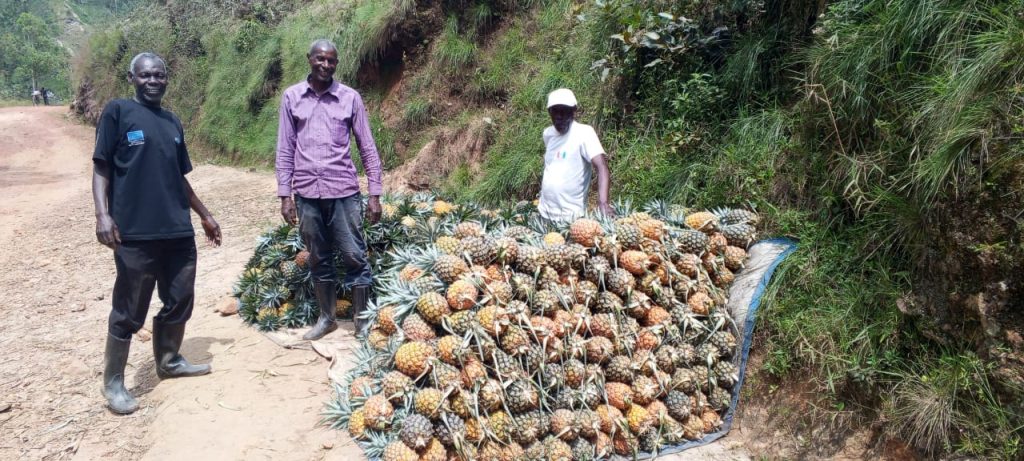
In Gakenke District, pineapple farming is emerging as one of the most profitable agricultural activities, helping hundreds of households increase their incomes, invest in assets, and improve their living conditions.
Members of the Cooperative des Agriculteurs des Fruits de Gakenke (COAFGA) say the crop has become a reliable source of income that is changing lives.
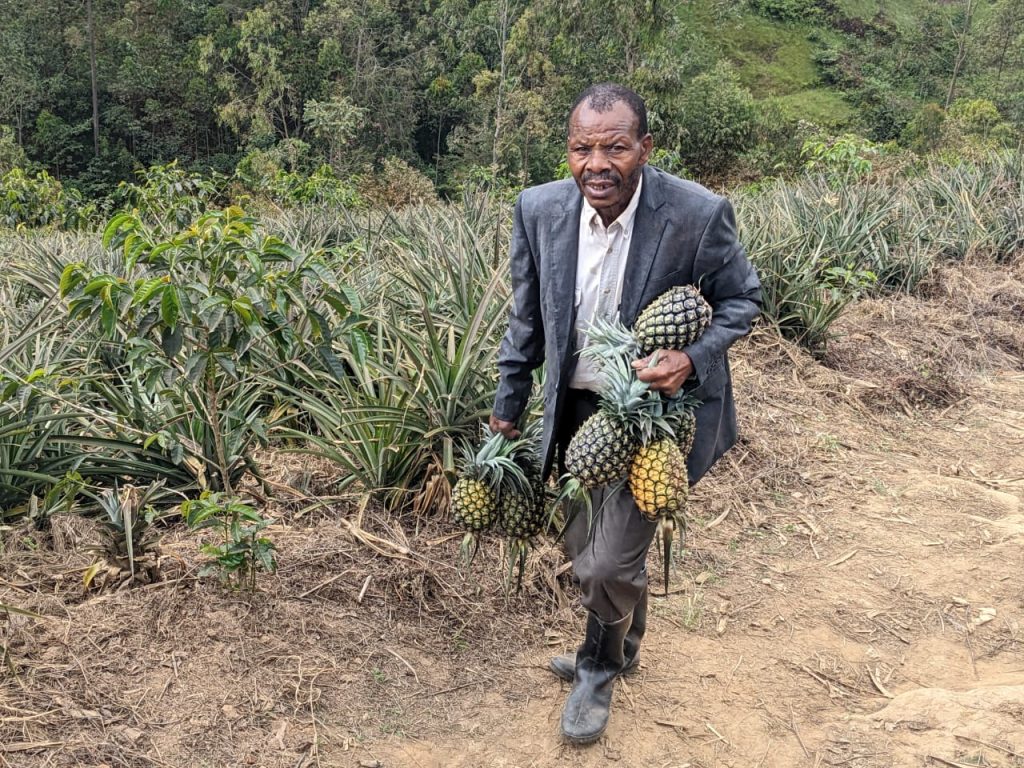
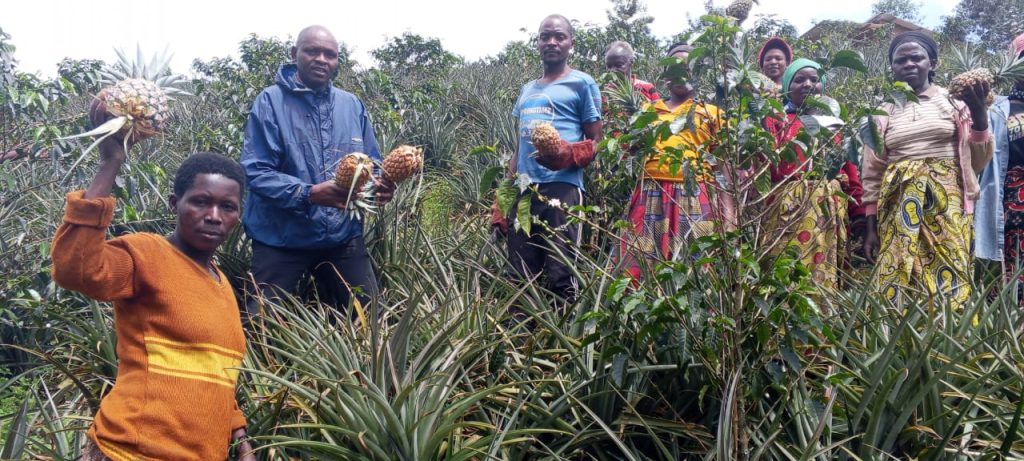
Juvenal Murindangabo, a member of the cooperative based in Nganji Cell, Gakenke Sector, said pineapple farming has enabled him to achieve milestones he once thought were out of reach.
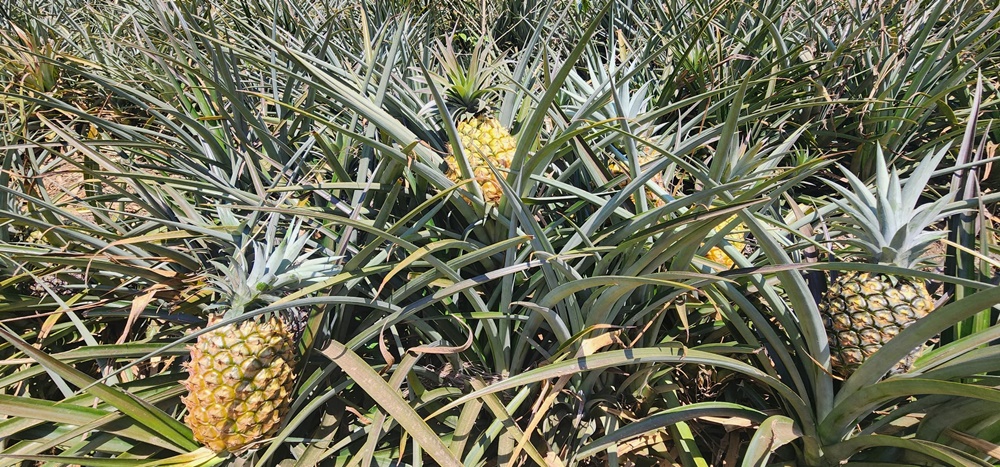
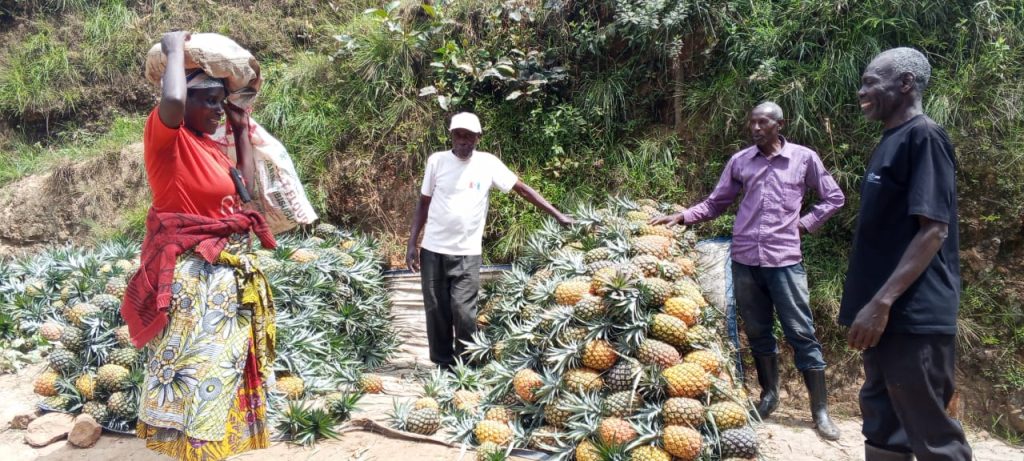
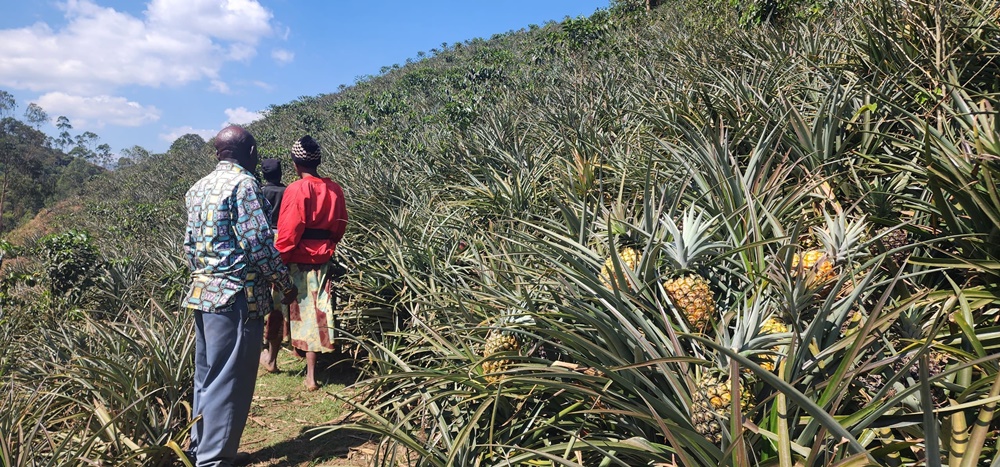
“We are 97 members farming pineapples on four hectares of land. Pineapple farming has helped me buy a cow using the income generated from the crop. The pineapples grow very well here, and we harvest twice a month, producing at least six tonnes every month,” he said.
According to Murindangabo, the earnings have significantly improved his family’s welfare.
“The income has helped me escape poverty and build a modern iron-sheet-roofed house worth more than Rwf5 million,” he added.
However, he noted that access to reliable markets remains a challenge, with some farmers forced to sell to middlemen who purchase produce directly from farms at low prices.
“We still face market challenges because brokers come to buy from us in the fields and often offer low prices,” he said.
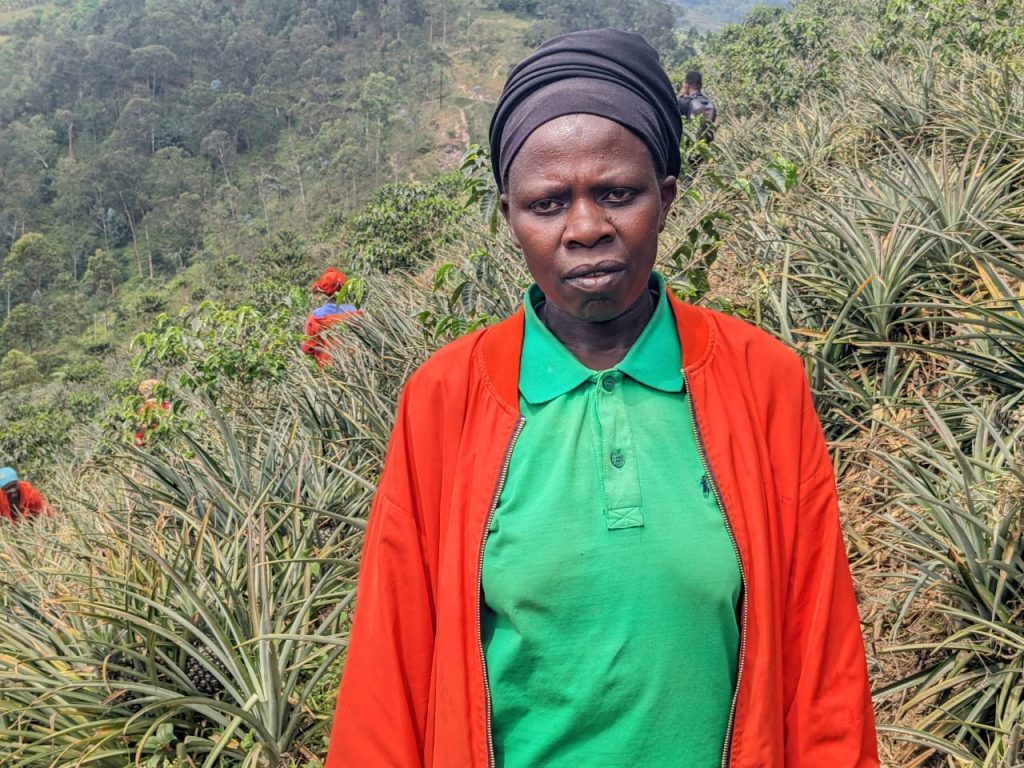
For fellow cooperative member Epifania Uzamukunda, pineapple farming has provided financial security and improved household welfare.
“The income from pineapples helps us develop economically because when the harvest is ready, we earn money that supports our daily lives,” she said.
Uzamukunda explained that proceeds from pineapple sales enabled her to buy a pig for Rwf40,000 two years ago. The animal now reproduces twice a year, providing an additional source of income.
She also uses the earnings to pay annual community-based health insurance premiums, cover school fees for her children, and improve nutrition within her household.
“The income helps me pay health insurance on time every year, educate my children, and fight malnutrition at home,” she said.
Local authorities say such stories are increasingly common across the district, where pineapple farming has become an important cash crop.
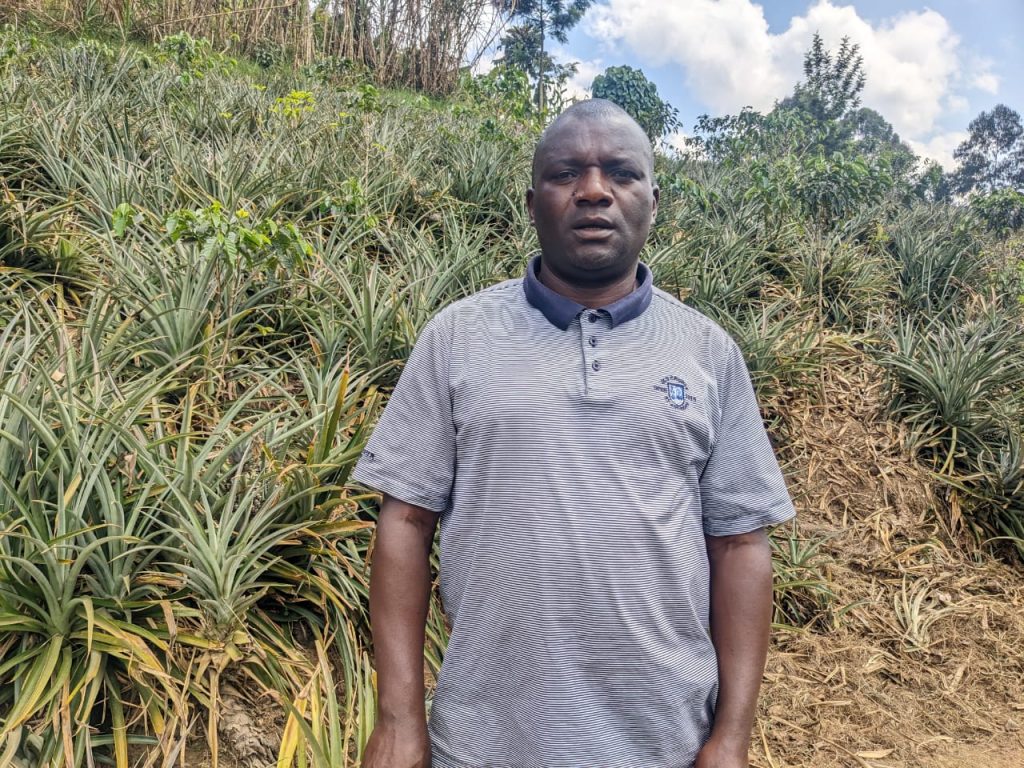
Kanyetaliki Evariste, Gakenke District’s Cash Crop Officer, said pineapple cultivation is widely embraced because of its strong economic returns.
“Pineapple is one of the major income-generating crops in Gakenke. The crop is grown on about 1,250 hectares, producing approximately 1,260 tonnes per season,” he said.
Depending on market conditions, a pineapple can sell for around Rwf500, while a kilogram may fetch between Rwf500 and Rwf800, generating substantial income for farmers.
“Pineapple farming contributes significantly to poverty reduction because it provides households with money to address daily needs and improve their overall living standards,” Evariste added.
The crop thrives in eight of the district’s 19 sectors, making it one of Gakenke’s most important agricultural commodities.
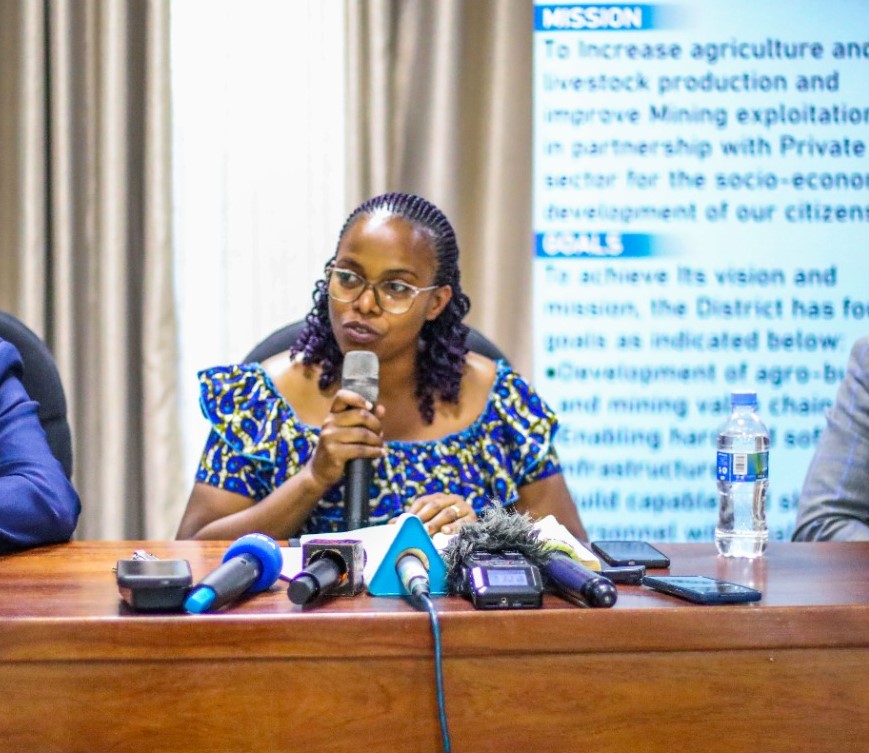
Responding to concerns over market access, Gakenke District Mayor Vestine Mukandayisenga encouraged farmers to avoid selling to opportunistic middlemen and instead utilize available collection centers and formal markets.
“Gakenke pineapples are sweet and of high quality. They have a market. We have several marketplaces and collection centers along major roads, and a new market has also been established in Rwamenyo with support from our partners,” she said.
The mayor noted that the district had previously sought to link farmers with Inyange Industries to supply pineapples in bulk. However, available production volumes were insufficient to meet the company’s demand.
“In fact, Inyange needed more pineapples than we could supply. That is why we continue encouraging farmers to expand production because the market exists and demand remains high,” she said.
Mukandayisenga also highlighted efforts to improve transport and market access through the government’s feeder roads programme. Through collaboration with the Rwanda Transport Development Agency (RTDA), several cooperatives, including COAFGA, received Lifan vehicles to facilitate the transportation of produce to markets.
“We are making progress. While we have not yet reached the level we want, we are strengthening our strategies as production increases,” she said.
As more farmers embrace pineapple cultivation, local authorities believe the crop will continue playing a key role in boosting household incomes, creating economic opportunities, and accelerating poverty reduction across Gakenke District.
About The Author


SUBSCRIBE TO OUR NEWSLETTER